Environment
Global sea level is increasing
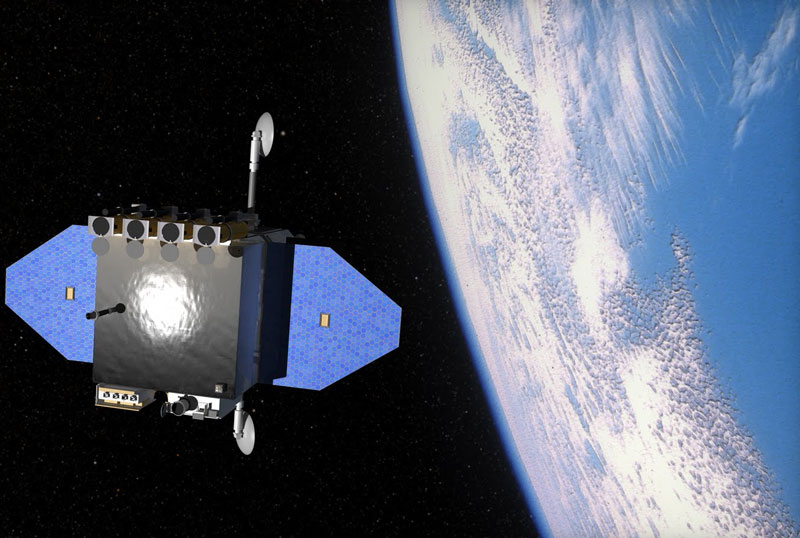
This data was provided by a team of University of Colorado experts at Boulder (UCB) and a spacecraft of the US Aerospace Agency (NASA). Accordingly, the global sea level…
Browse ScienceInfo articles and explainers related to Ice Melt.
103 published items.
This data was provided by a team of University of Colorado experts at Boulder (UCB) and a spacecraft of the US Aerospace Agency (NASA). Accordingly, the global sea level…
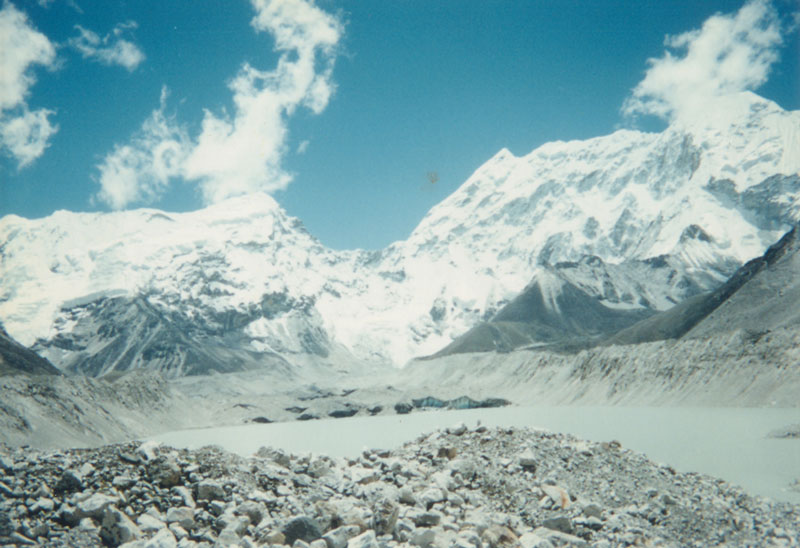
Millions of people threatened by fast-melting Himalayan glaciers are warnings by scientists at the UN Climate Change Conference that is taking place in Durban, South Afr…
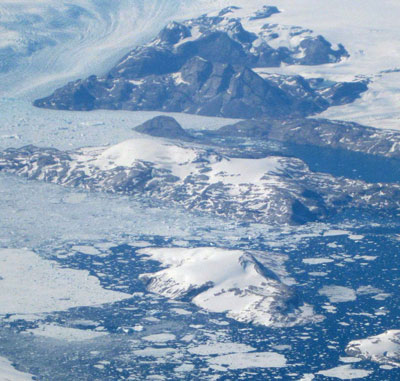
Tens of billions of tons of ice on Greenland melt annually due to rising global temperatures. That phenomenon caused the rock beneath the ice to rise continuously.
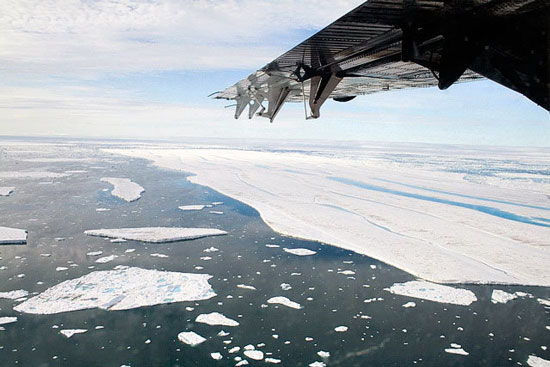
The image of cracks on the giant ice sheet in the Arctic is seen as clear evidence of the damage caused by global warming.
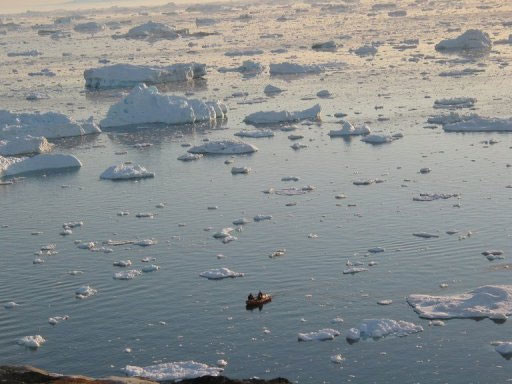
According to research by German scientists, the Arctic ice volume this summer has reached a record low due to the warming of the global climate.
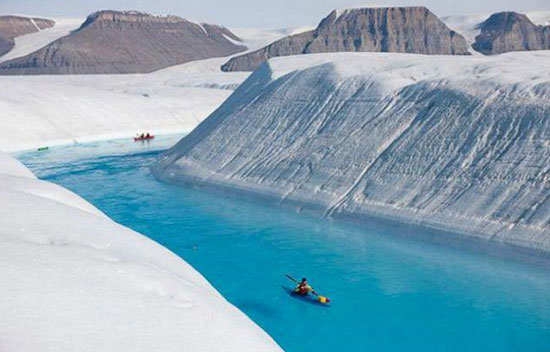
A large block of ice equivalent to four times the size of New York's Manhattan district has separated from a Greenland glacier and melted, shocking regional research sci…
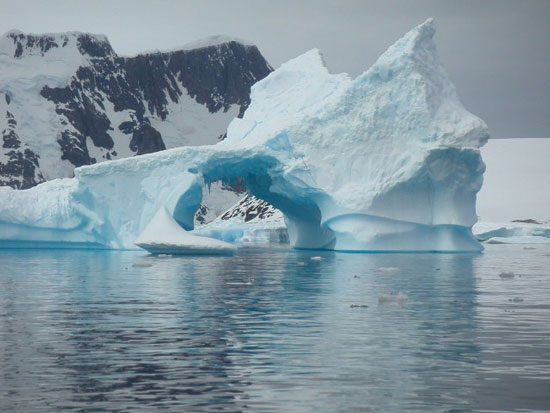
US scientists have confirmed that the Arctic ice sheets are thinning at a rate four times faster than the UN Intergovernmental Panel on Climate Change (IPCC) forecast.
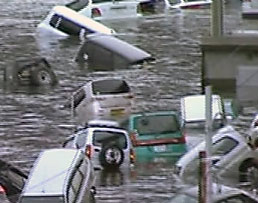
The tsunami on March 11 in Japan was so powerful that it broke many large blocks of ice in Antarctica, a few thousand kilometers from Japan.
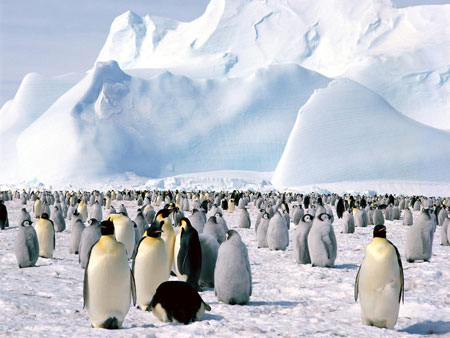
New Hampshire reports Donald Argus, a scientist from the US Aerospace Agency (NASA), and colleagues using global positioning satellites data for 15 years to track Antarc…
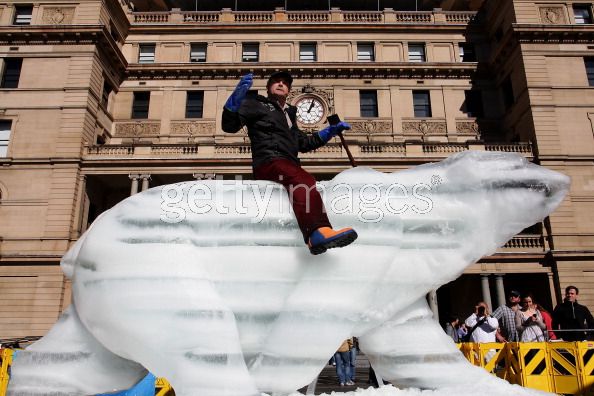
A polar bear sculpture made from melting ice to help raise people's awareness of global warming affects this endangered bear that has just been displayed in the port cit…
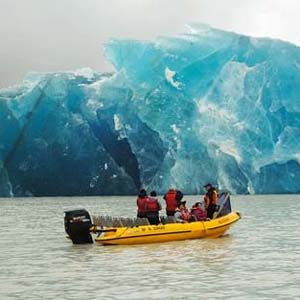
The earthquake struck Christchurch - New Zealand's second largest city seemed to have brought

Scientists warn that, with the current warming rate of the Earth, only 30-40 years later, ice will not exist in the summer, even in the center of the Arctic.
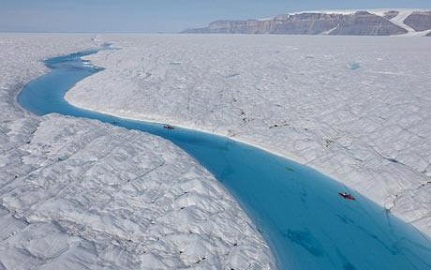
US scientists say an ice sheet of four times the size of Manhattan Island (260 km2) and a height of about 180m have been separated from the Petermann glacier in northern…
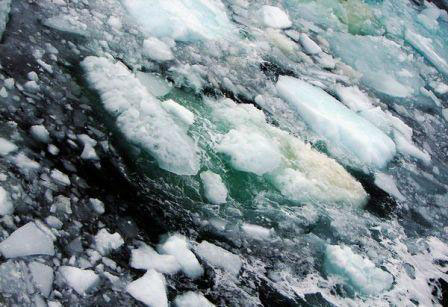
The amount of organic matter, dissolved in deep water parts in the Arctic Ocean, doubled after 12 years. This is a solid evidence that allows the Earth to warm up.

The melting of glaciers around the world will give rise to new food crises.